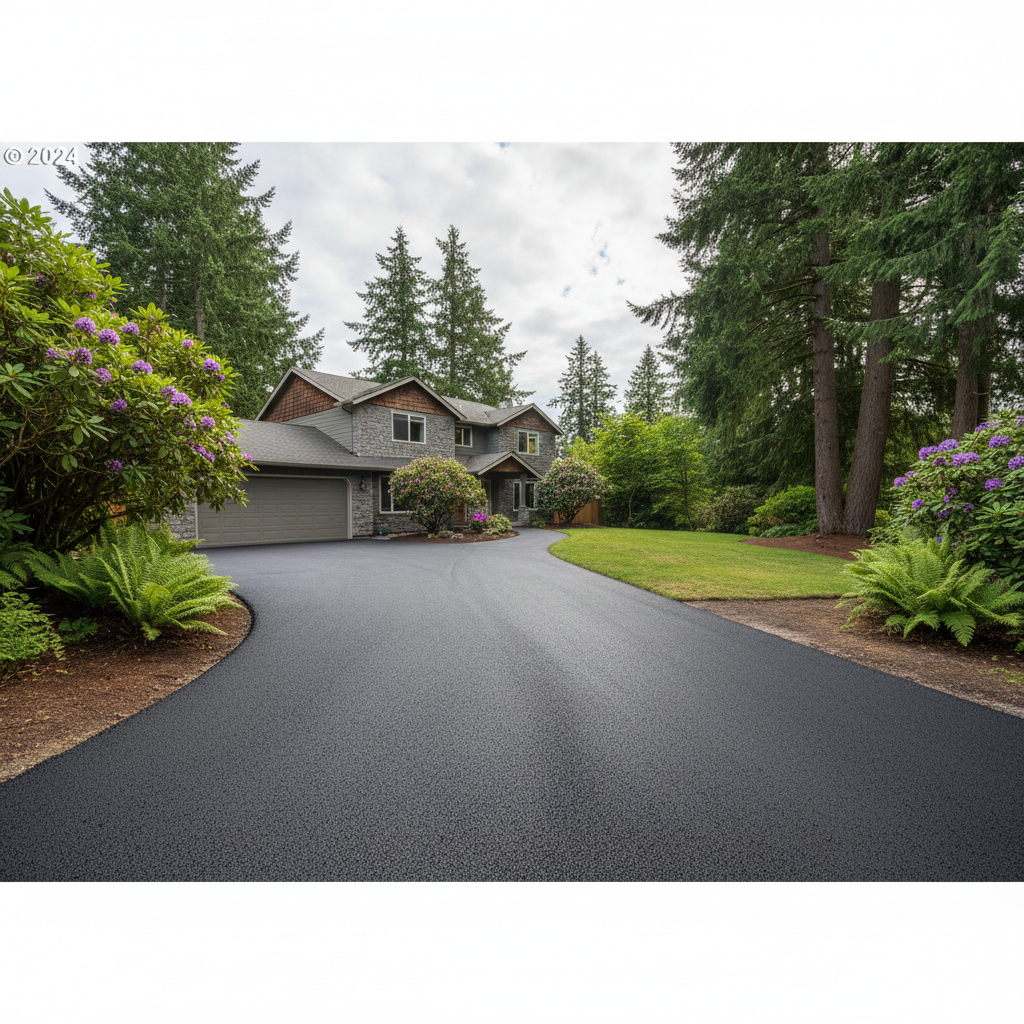
So, you're ready to get that new asphalt driveway in Federal Way, huh? That's a big decision, and you want it done right. As someone who's been laying asphalt around here for years, I've seen a lot of projects, good and bad. Let's talk about what you should expect from start to finish, so you're not caught off guard.
The Project Timeline: What to Expect
First off, don't expect it to happen overnight. There's a process, and good work takes time. From your initial call to us, Ace Paving, to driving on your new surface, here's a rough breakdown:
- Initial Contact & Estimate (1-2 weeks): You call us, we schedule a visit. We'll come out, measure your area, check the existing conditions – drainage, soil type, any old asphalt – and talk about what you want. Then we'll get you a detailed estimate. This isn't just a number; it's a breakdown of the work.
- Scheduling (2-4 weeks out): Once you approve the estimate, we'll get you on the schedule. Weather plays a huge role in paving, especially here in Federal Way. We can't lay asphalt in heavy rain or when it's too cold, so sometimes we have to shift things around. We'll keep you in the loop.
- Permits (If Needed - 2-6 weeks): Most residential driveways don't need a permit, but if you're expanding significantly, changing drainage patterns, or doing something unusual, you might. We'll let you know if this applies to your project and can often help navigate that process.
- Pre-Paving Work (1-3 days): This is where the real action starts. We'll clear the area, remove old asphalt if necessary, and get the sub-base ready. This is critical. A bad base means a bad driveway, no matter how good the asphalt is. We'll compact the subgrade thoroughly.
- Paving Day (1-2 days): This is the exciting part! The asphalt trucks arrive, and our crew gets to work. We'll lay the hot asphalt, spread it evenly, and then compact it with rollers. It's a pretty efficient process once it gets going.
- Curing Time (2-3 days before light use, 7-10 days for full cure): You can usually walk on it pretty quickly, but you'll need to stay off it with vehicles for at least 2-3 days, sometimes longer depending on the weather and mix. Heavy vehicles, like moving trucks, need even more time. We'll give you specific instructions.
So, from start to finish, you're generally looking at anywhere from 4 to 10 weeks, depending on how busy we are, the scope of your project, and Mother Nature.
How to Prepare Your Property
When paving day gets close, there are a few things you can do to make things go smoothly:
- Clear the Area: Move any cars, boats, RVs, trash cans, planters, or anything else off the driveway and away from the work zone. We need clear access.
- Trim Landscaping: If you have bushes or tree branches hanging low over the driveway, trim them back. Our equipment is big, and we don't want to damage your plants or our machines.
- Mark Sprinkler Heads/Invisible Fences: If you have an irrigation system or an invisible pet fence running near or under the driveway, please mark the lines and heads clearly. We don't want to hit them.
- Plan for Access: Remember, your driveway will be unusable for a few days. Plan where you'll park your cars and how you'll get in and out of your house. If you have deliveries scheduled, reschedule them.
- Keep Kids & Pets Away: This is a construction zone. Hot asphalt, heavy machinery, and busy workers aren't a safe mix for curious kids or pets. Keep them indoors or well away from the work area.
Questions to Ask Before You Sign That Contract
Before you commit to any contractor, make sure you're getting all your questions answered. Don't be shy. You're making an investment.
- What's included in the price? Make sure the estimate clearly spells out everything: excavation, base material, asphalt thickness, number of layers, compaction, and any drainage work. You don't want surprises.
- What kind of base material do you use, and how thick will it be? This is huge. A good, compacted gravel base is the foundation of a long-lasting driveway. We often see folks in areas with heavy clay soil, like some of the older neighborhoods near Dash Point, needing extra attention to their sub-base for proper drainage and stability.
- What's the asphalt mix and thickness? For residential driveways, you usually want at least 2-3 inches of compacted asphalt. Ask about the type of mix too; some are better suited for our climate.
- How do you handle drainage? Proper drainage is key to preventing puddles and premature cracking. Will they ensure water flows away from your house and not towards it?
- What's your warranty? A reputable contractor will stand behind their work. Ask what their warranty covers and for how long.
- Are you licensed, bonded, and insured? Always, always, always ask for proof. This protects you if something goes wrong.
- Can I see some references or examples of your work? Good contractors are proud of their work and happy to share. We certainly are at Ace Paving.
Getting a new asphalt driveway is a big deal, and with the right planning and the right contractor, it'll add value and curb appeal to your Federal Way home for years to come. Do your homework, ask tough questions, and you'll be happy with the result.