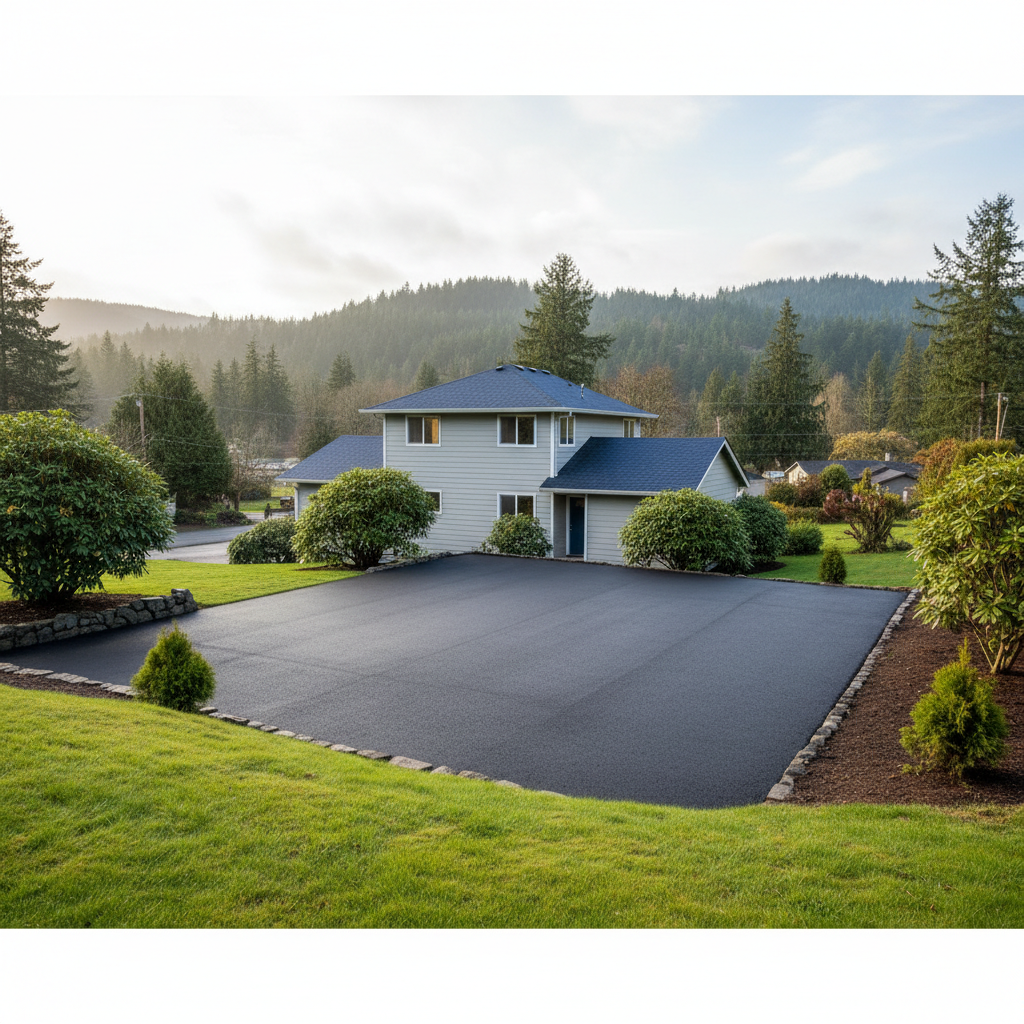
Thinking about a new parking lot or resurfacing an old one for your business here in Federal Way? Good. It's a big investment, and you want it done right, especially with our unique Pacific Northwest climate. I've been doing this for years, and I've seen firsthand how crucial timing and proper care are.
When's the Best Time to Pave a Parking Lot Around Here?
This is probably the most common question I get. You can't just pave whenever you feel like it; asphalt needs specific conditions to cure properly and last. For us, that means hitting the sweet spot in the spring, summer, and early fall.
Late Spring (May-June): This is prime time. The ground has had a chance to dry out from our long, wet winter, and the temperatures are consistently above 50 degrees Fahrenheit. You'll get good compaction, and the asphalt will set up well. Plus, you beat the real heat of summer, which can sometimes be a bit much for fresh asphalt.
Summer (July-August): Also excellent. Warm, dry days are ideal. The sun helps the asphalt cure, and you usually don't have to worry about rain delays. This is often when we're busiest, so if you're planning for summer, get on the schedule early with Ace Paving.
Early Fall (September-October): Still a good window, but you're playing a bit of a game with the weather. We need a consistent stretch of dry days with daytime temps holding above 50. Once those persistent fall rains start rolling in, especially when they bring cooler overnight temperatures, it's really too late. Cold asphalt doesn't compact right, and water can get trapped, leading to premature failure.
What you absolutely want to avoid is paving in the dead of winter or during extended cold, wet spells. It's just not going to hold up. The asphalt won't bond properly, and you'll be looking at cracks and potholes a lot sooner than you should.
Weather Conditions That Make or Break Your Paving Project
It's not just about the month; it's about the day-to-day conditions. Here's what we're always watching:
Temperature: As I said, 50 degrees Fahrenheit and climbing is the magic number for the air and the ground. If it's too cold, the asphalt cools too quickly, making it hard to compact properly. This leaves you with a weaker surface.
Moisture: This is huge, especially for us. The base layer needs to be dry. If we're laying asphalt on a wet subgrade, that trapped moisture will eventually cause problems – think soft spots, cracking, and even alligatoring. Our heavy clay soils, common in areas like the Twin Lakes neighborhood, hold onto water like nobody's business, so we really need a good dry spell before we even think about laying down material.
Rain: Obvious, right? You can't pave in the rain. It cools the asphalt too fast, washes away the tack coat (the sticky stuff that helps new asphalt bond to the old surface), and can even compromise the mix itself. A light drizzle might be okay for some prep work, but for laying the hot mix, it needs to be dry.
We're constantly checking forecasts and making judgment calls. Sometimes we have to reschedule, and I know that's frustrating, but it's always in your best interest to wait for the right conditions rather than rush a job that won't last.
Protecting Your Parking Lot Investment Year-Round
Once your parking lot is paved, the work isn't over. You've got to protect that investment. Here's how:
Sealcoating: This is like sunscreen for your asphalt. It protects against UV rays, water penetration, and oil spills. I recommend sealcoating every 2-3 years, depending on traffic and how much sun it gets. It fills minor cracks and restores that rich black color, making your lot look great and extending its life significantly.
Crack Filling: Don't ignore those little cracks! They might seem minor, but they're entry points for water. Once water gets under the asphalt and freezes (which it does here, even if it's not a deep freeze), it expands, making the cracks bigger. Fill them as soon as you see them.
Drainage: Make sure your drainage system is working. Puddles mean water is sitting on your asphalt, seeping into cracks, and weakening the subgrade. Keep drains clear of leaves and debris, especially after our windy fall storms.
Regular Cleaning: Sweep away dirt, gravel, and debris. These can abrade the surface and contribute to wear. Plus, a clean lot just looks better for your customers.
Prompt Repairs: If you see a pothole or a soft spot, address it quickly. Small problems become big, expensive problems fast.
Taking care of your parking lot isn't just about aesthetics; it's about safety and protecting your business's curb appeal and bottom line. If you've got questions about your Federal Way parking lot, or if you're ready to get a quote, just give us a call at Ace Paving. We're here to help.