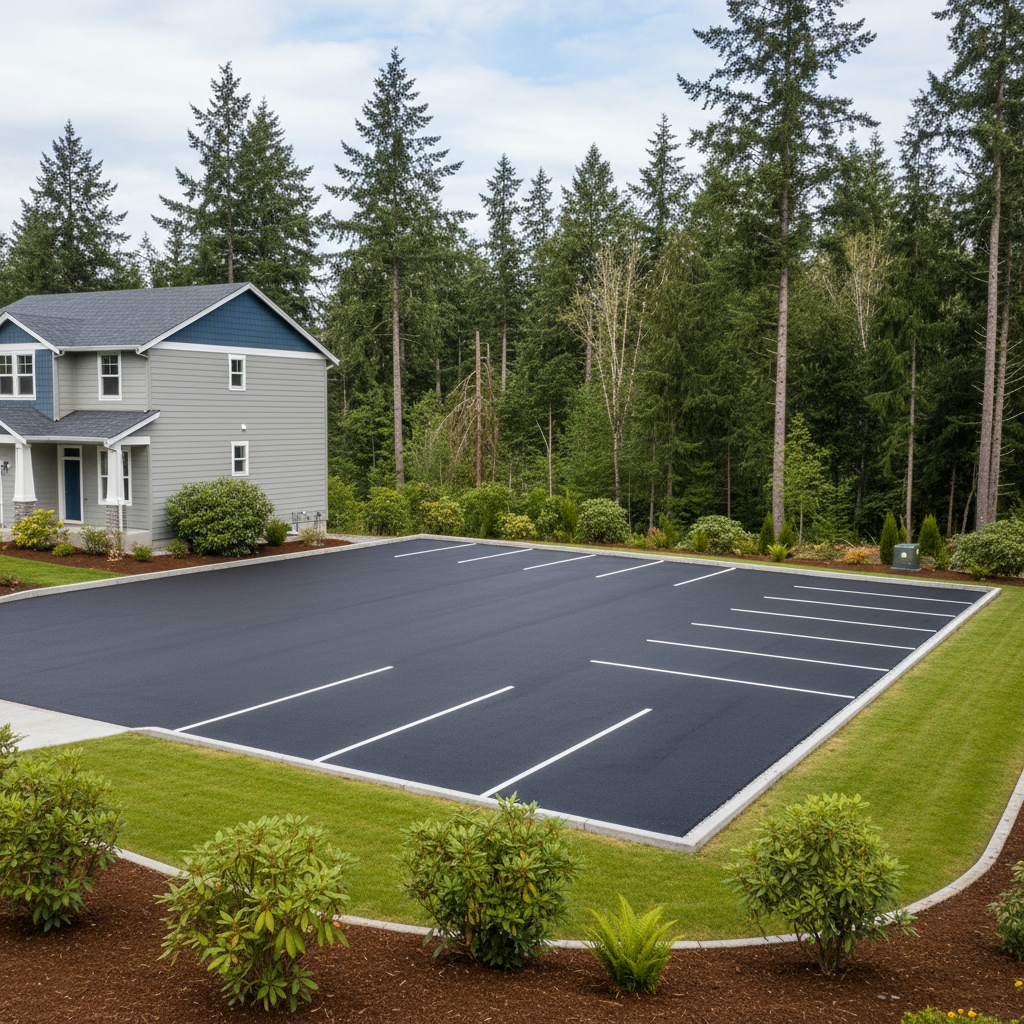
So, you're looking at putting in a new parking lot or maybe a big expansion for your Federal Way property. It's a bigger job than a driveway, that's for sure, and you've got to plan it right if you want it to last. I've seen too many folks jump in without really knowing what's coming, and that just leads to headaches and extra costs down the road. Let's talk about what you need to know to get this done smoothly.
Your Project Timeline: What to Expect
A parking lot isn't a weekend job. From when you first think about it to when you're striping those new spaces, you're looking at a few distinct phases. First off, there's the planning and permitting. This is often the longest part, especially if you're dealing with city regulations for stormwater management or specific zoning requirements. For a decent-sized lot, you could be looking at 2-6 weeks, sometimes more, just for the paperwork. You'll need site plans, drainage plans, and maybe even traffic flow diagrams.
Once permits are in hand, then comes the contractor selection. You'll want to get a few bids, compare apples to apples, and check references. That can take another 1-3 weeks. After you pick your crew, like us at Ace Paving, we'll schedule the work. The actual construction phase – excavation, grading, base prep, paving, and striping – usually runs anywhere from a few days to a couple of weeks, depending on the size and complexity of the lot. Weather plays a huge role here in the Pacific Northwest; a solid week of rain can push things back quickly. So, all in, from idea to finished lot, you're probably looking at 6-12 weeks, maybe even longer if there are significant earthwork or drainage challenges.
What Happens During the Paving Process?
Alright, so the day comes, and we're on site. What's actually going to happen? First, we'll mark out the area. Then, it's excavation. We're digging out the old material, whether it's grass, gravel, or old asphalt. We need to get down to a stable subgrade. This is crucial for drainage, especially with the clay soils we often see around places like the Twin Lakes neighborhood. If the subgrade isn't right, we might need to stabilize it with geotextile fabric or add extra aggregate.
Next up is the base layer. This is typically crushed aggregate, compacted in lifts. This base is what gives your parking lot its strength and helps distribute the weight of vehicles. We'll grade it carefully to ensure proper water runoff. You don't want puddles sitting around; that's how asphalt breaks down fast. After the base is solid, we'll apply a tack coat – it's like a glue that helps the new asphalt stick to the base. Then comes the asphalt itself, laid down hot by our paving machine. We'll compact it with rollers to achieve the right density and smoothness. Finally, once the asphalt has cooled and cured a bit, we'll come back for striping, adding parking lines, arrows, and handicap symbols. It's a pretty methodical process, and each step is important for a long-lasting job.
How to Prepare Your Property
Before we even start digging, there are a few things you need to do. Clear the site of any vehicles, equipment, or anything else that's in the way. If there are trees or shrubs you want to keep, make sure they're clearly marked and protected. You'll also need to communicate with anyone who uses the parking area – tenants, customers, employees – about the upcoming disruption. Let them know when access will be limited or completely blocked. Think about alternative parking arrangements during the construction period. Also, make sure all utilities are marked. Call 811 before any digging starts; it's the law and it prevents serious accidents. We'll do our part, but you knowing where your sprinkler lines or septic field might be helps a lot.
Crucial Questions to Ask Before Signing
Don't just sign the first bid you get. You've got to ask the right questions to make sure you're getting a quality job and working with a reputable contractor. Here are a few I'd recommend:
- Can you provide proof of insurance, including liability and workers' compensation? This protects you if something goes wrong.
- What's your warranty on the work, and what does it cover? A good contractor stands behind their work.
- What's your plan for managing stormwater runoff? This is a big deal in Federal Way, and you need to know they've got it covered.
- How will you handle unexpected issues, like hitting an unmarked utility line or discovering unstable soil? What's the process for change orders?
- Can I see a detailed breakdown of the costs, including materials, labor, and any permit fees you're handling?
- What's the estimated timeframe for each phase of the project, and what happens if there are weather delays?
- Can you provide references from other parking lot projects you've done in the area?
Asking these questions upfront saves a lot of headaches later. You want to feel confident in the crew you're bringing onto your property. A good contractor won't mind answering any of them. We're here to make sure your Federal Way parking lot project goes as smoothly as possible, giving you a durable surface that serves your needs for years to come.