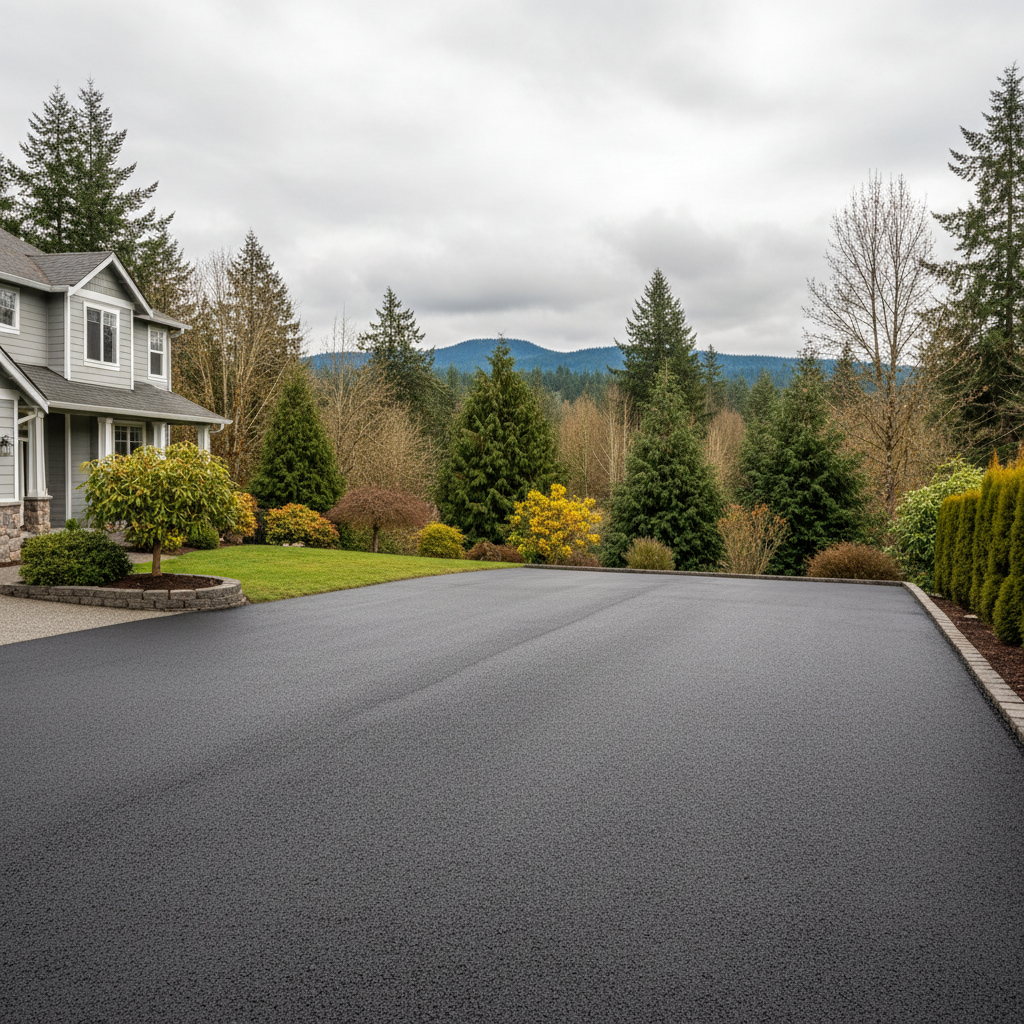
Alright, let's talk about your commercial asphalt. You've got a parking lot, maybe a private road, or some other paved surface that's absolutely vital for your business here in Federal Way. It's a big investment, no doubt, and you want it to last. The thing is, our Pacific Northwest weather, especially around here with all the rain and those freeze-thaw cycles, really puts asphalt to the test. Knowing when to do what can make all the difference.
When to Schedule Your Commercial Paving Projects
Timing is everything with asphalt, truly. You can't just pave whenever you feel like it. For major paving or repaving jobs, you're looking at a pretty specific window. We need consistent dry weather and ground temperatures that aren't too cold. That usually means late spring through early fall here in Federal Way, if you're wondering.
- Late Spring (May-June): This is prime time. The ground has finally had a chance to dry out from the winter rains, and temperatures are reliably above 50°F. The days are getting longer, which means we have more daylight hours to work efficiently.
- Summer (July-August): Absolutely ideal. Hot, dry days mean the asphalt cools and cures properly, just as it should. This is when you'll see most of the big projects happening. If you're planning a major overlay or new construction, really try to get on the schedule for these months.
- Early Fall (September-October): Still good, but you're pushing it a bit. We can still get quality work done, but you're gambling with the weather. We start seeing more rain and cooler nights. If an early cold snap hits or we get a solid week of rain, that can delay things or even push them to the next year.
For smaller repairs, like patching potholes or crack sealing, we have a bit more flexibility. We can often tackle those in cooler, drier periods outside of the peak season, but it still needs to be above freezing and not actively raining. You don't want to seal cracks when they're full of water; that's just a waste of time and money, plain and simple.
Weather Conditions and Asphalt Work
You might wonder why we're so picky about the weather. It's not just to make our lives easier; it's about the quality and how long your pavement will last. Asphalt needs to be laid at specific temperatures to compact correctly and cure properly. If it's too cold, the asphalt cools too fast, making it hard to get the right compaction. If it's too wet, the base material can get compromised, leading to issues down the road.
Rain is the enemy during paving. It can prevent the asphalt from bonding properly, and it can weaken the sub-base, which is the very foundation of your pavement. We're always watching the forecast like hawks, believe me. If there's a good chance of rain, we'll likely reschedule. It's better to wait a few days than to rush a job that won't hold up.
Here in Federal Way, especially near places like Dash Point State Park where you get a lot of moisture from the Sound, we're always mindful of ground saturation. A lot of our soil is clay-heavy, which holds water. If the ground is too wet before we even start, we've got problems. We might need to do extra prep work, like adding more aggregate or even installing drainage, to make sure your new pavement has a solid, dry foundation.
Protecting Your Commercial Pavement Year-Round
Once your commercial asphalt is down, the work isn't over. You've got to protect that investment. Think of it like maintaining your roof or your building's siding — ongoing care saves you big money in the long run, doesn't it?
- Regular Inspections: Walk your lot regularly. Look for cracks, potholes, or areas where water is pooling. Catching small issues early is always cheaper than waiting for them to become big ones.
- Crack Sealing: This is probably the most important thing you can do. Cracks are like open wounds for your pavement. Water gets in, freezes, expands, and then you've got a pothole. Seal those cracks as soon as you see them. It keeps water out of your sub-base.
- Pothole Repair: Don't let potholes fester. They grow fast, especially with traffic. Patch them promptly to prevent further deterioration and trip hazards.
- Sealcoating: Every few years, your asphalt will benefit from sealcoating. It's like sunscreen for your pavement. It protects against UV rays, water penetration, and oil spills, extending the life of your asphalt significantly. We at Ace Paving can help you figure out the right schedule for this.
- Drainage Maintenance: Make sure your drains, catch basins, and gutters are clear. Water is the biggest enemy of asphalt. If water isn't draining properly, it's sitting on your pavement or seeping underneath, causing damage.
- Sweeping and Cleaning: Keep your lot clean. Debris, dirt, and gravel can accelerate wear and tear. Plus, a clean lot just looks better for your customers.
Taking a proactive approach to your commercial asphalt maintenance isn't just about aesthetics; it's about safety, liability, and protecting a significant asset for your business. Don't wait until you have a major problem on your hands. A little bit of attention throughout the year will save you a lot of headaches and cash down the road.