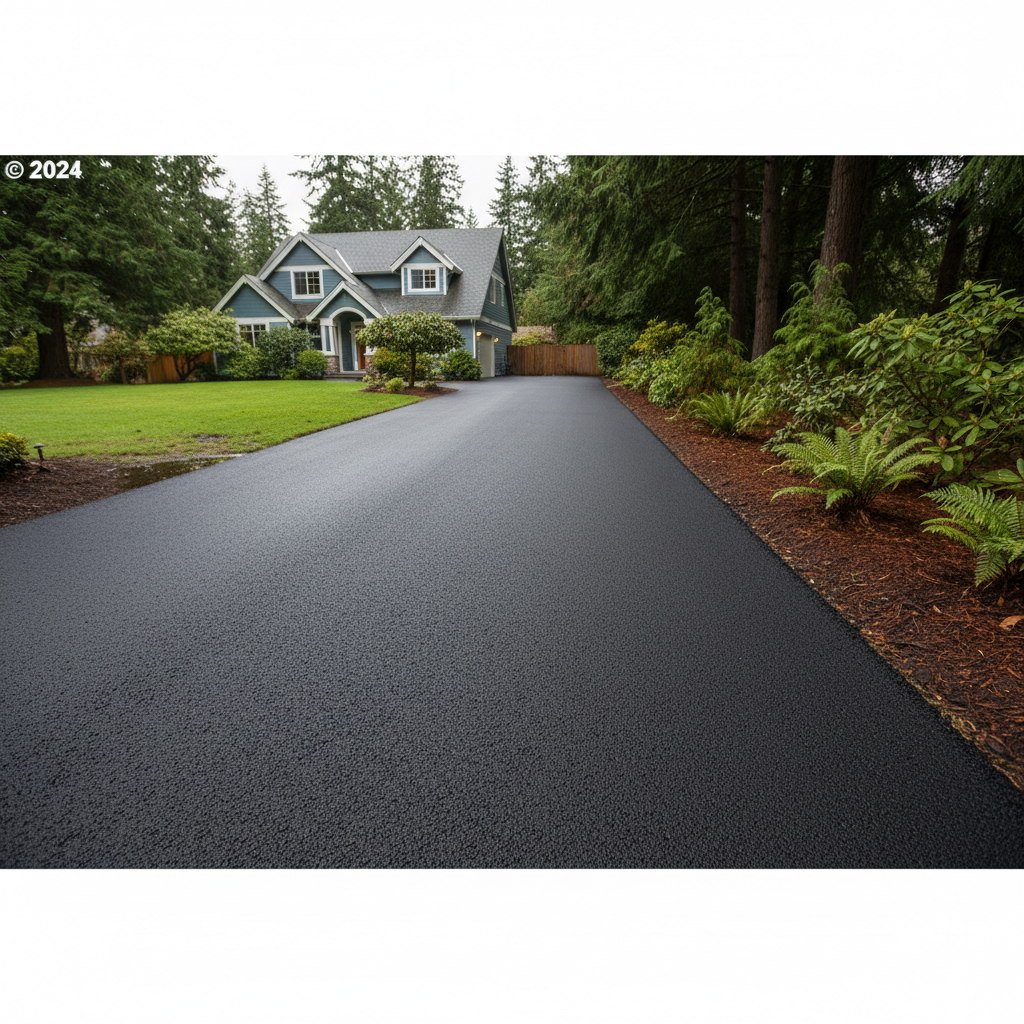
You just invested in a new asphalt surface, or maybe you're looking at an older one and wondering how to keep it from falling apart. Either way, thinking about maintenance is smart. Asphalt isn't a 'set it and forget it' kind of thing, not with our weather here in Federal Way. But with a little attention, you can really make it last longer and save yourself a ton of money down the road.
Making Your Asphalt Last: It's All About Protection
Think of your asphalt like your skin – you wouldn't go out in the sun all day without protection, right? Pavement's the same. Water and UV rays are asphalt's biggest enemies. Our Pacific Northwest rain, combined with the freeze-thaw cycles we sometimes get, can really mess it up if it's not sealed properly. What a pain!
- Sealcoating is key: This is probably the single most important thing you can do. A good sealcoat works like sunscreen and a raincoat for your asphalt. It protects against UV damage, stops water from getting in, and even helps resist oil and gas spills. For new asphalt, I usually tell folks to wait about 6-12 months for it to fully cure before that first sealcoat. Then, every 2-3 years after that. It's a small cost that really pays off.
- Good drainage is vital: If water just sits on your asphalt, it’s going to find a way in, no matter how good your sealcoat is. So, make sure your gutters are clear. Also, check that the ground around your asphalt slopes away from it. I've seen plenty of driveways in places like the Twin Lakes neighborhood where water runoff from the hillsides just pools and eats away at the edges. Good drainage stops that.
- Keep it clean: Dirt, debris, and organic stuff (like leaves and pine needles) can trap moisture against the surface. This leads to it breaking down. Give it a good sweep or power wash a couple of times a year.
Regular Upkeep: What You Need to Do
Beyond sealcoating, you should be doing a few simple things regularly. This helps you keep an eye on your asphalt and fix small issues before they turn into big headaches.
- Crack sealing: This is your first defense against water. As soon as you see a crack, even a tiny one, seal it up. Water gets into those cracks, expands when it freezes, and then you've got a pothole. Catch it early, and it's a simple fix.
- Pothole repair: Don't let potholes sit there. They don't get better on their own. Plus, they're a tripping hazard and can damage vehicles. Filling them quickly stops the surrounding pavement from getting worse.
- Edge care: The edges of your asphalt are often the weakest spots. Keep plants from growing too close, as roots can undermine the pavement. If you've got a gravel shoulder, make sure it's kept up to support the asphalt edge.
Warning Signs: When Your Asphalt Needs Help
You don't need to be an expert to spot problems. Just walk around your property a few times a year and look for these common signs:
- Cracks: We're talking about more than just hairline cracks. Look for alligator cracking (a series of interconnected cracks that look like alligator skin). This means there's a deeper problem with the structure. Longitudinal cracks (running parallel to the pavement’s direction) or transverse cracks (running across it) also need attention.
- Potholes: Obvious, I know, but sometimes people let them go for too long.
- Fading and discoloration: If your asphalt looks gray instead of black, that's a sign the binder is oxidizing and losing its protective qualities. This usually means it's time for a sealcoat.
- Raveling: This happens when the aggregate (the small stones) starts to come loose from the surface. It usually means the binder is failing because of age or oxidation.
- Standing water: As I mentioned, water pooling anywhere on your asphalt is a bad sign. It means you've got a drainage problem or a depression forming.
When to Call a Pro (Like Ace Paving)
While some minor crack sealing or small pothole repairs can be DIY jobs if you're handy, there are definitely times when you need to bring in the professionals. Don't wait until it's too late and you're looking at a full replacement.
- Lots of cracking: If you've got widespread alligator cracking or a network of deep cracks, you're probably dealing with a base issue. That's way beyond a simple patch.
- Big potholes or many potholes: A few small ones, sure. But if your surface looks like a minefield, it's time for a professional to come out and assess the damage, then repair it.
- Significant rutting or depressions: These show structural failure in the base layer. Heavy traffic or poor drainage often cause this. Fixing it right requires specialized equipment and expertise.
- Drainage problems: If water consistently pools on your asphalt and you can't figure out why, a professional can check the grade and suggest solutions. This might mean regrading, adding drains, or resurfacing.
- When in doubt: Honestly, if you're not sure how bad a problem is or the best way to fix it, just give us a call. It's always better to get an expert opinion early than to let a small issue turn into an expensive disaster. We're happy to come out, take a look, and give you an honest assessment. That's why Ace Paving is here.
Taking care of your asphalt isn't rocket science, but it does mean being a little proactive. Stay on top of these maintenance tips, keep an eye out for warning signs, and don't hesitate to call in the cavalry when needed. Your pavement (and your wallet) will thank you for it.