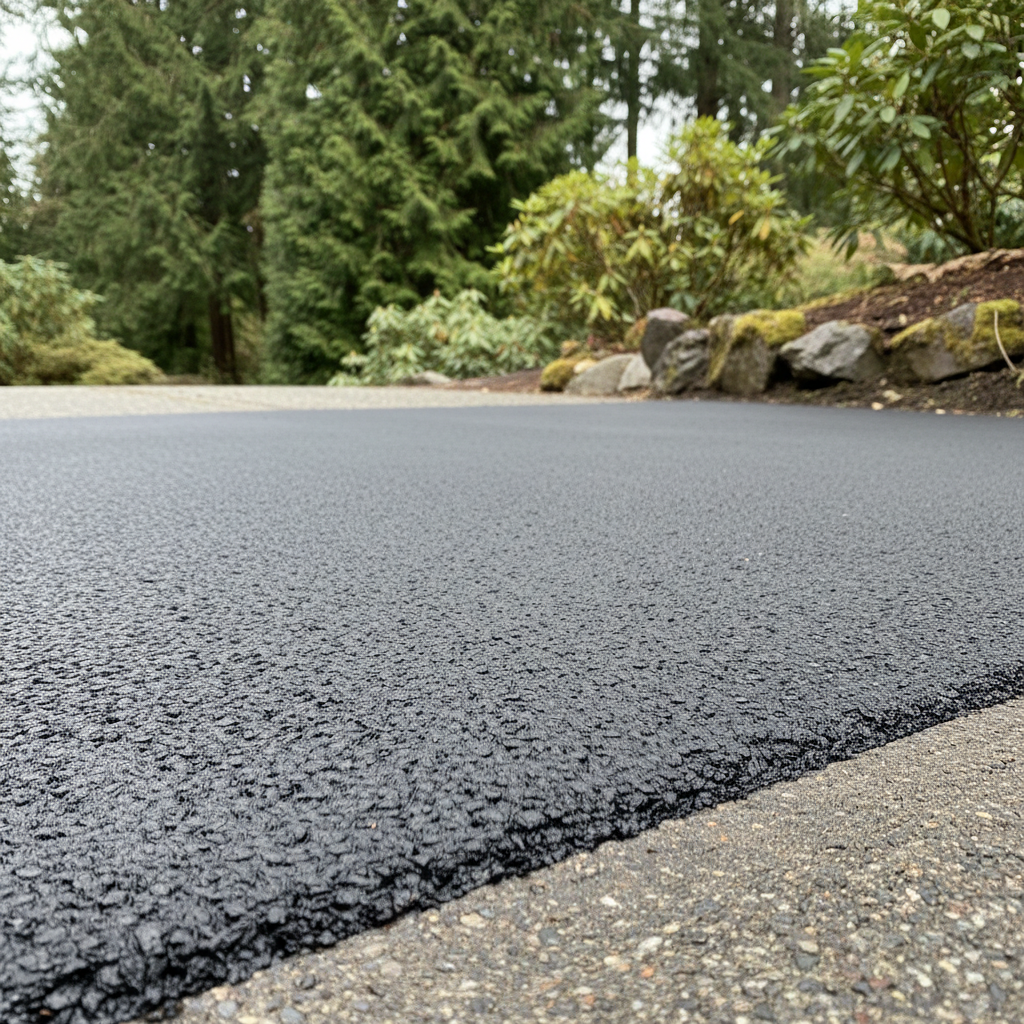
What's the difference between patching and a full repave?
This is probably the first thing folks ask. Think of it like this: patching is fixing a specific problem area, like a pothole or a section of cracked asphalt. You're cutting out the bad part and replacing it. A full repave, on the other hand, means you're tearing out the entire existing asphalt surface and laying down a brand new one. Patching is usually a lot cheaper and quicker, but it's not going to make your whole driveway look brand new. It's a targeted repair. A repave is a complete overhaul. We often recommend patching when the damage is isolated and the rest of the driveway is still in decent shape. If your whole driveway is crumbling, patching is just putting a band-aid on a bigger problem.
When is the best time of year to get asphalt patching done in Federal Way?
Here in Federal Way, the best time for asphalt work, including patching, is generally during the drier, warmer months. That means late spring, summer, and early fall. You want temperatures to be consistently above 50 degrees Fahrenheit, and you definitely don't want rain in the forecast. Our wet winters and springs can make it tough for the new asphalt to cure properly. Moisture can get trapped underneath, leading to premature failure of the patch. So, while we can do emergency patches in a pinch, for the best, longest-lasting results, aim for June through September. That's when the ground's dry and the air's warm enough for everything to set up right.
How long does an asphalt patch typically last?
That's a tough one to give an exact number for because it depends on a few things: the quality of the original asphalt, how well the patch was done, the type of patch, and how much traffic it sees. A well-done patch using hot mix asphalt, properly compacted, can last anywhere from 5 to 10 years, sometimes even longer. But if it's a temporary cold patch or if the underlying issues (like poor drainage or a bad sub-base) aren't addressed, it might only last a year or two. It's not uncommon for folks to call us back for new patches in different spots after a few years, especially with our freeze-thaw cycles that can really work on the pavement.
What causes potholes and cracks in the first place?
Mostly, it's water getting into the asphalt. Our heavy rains here in the Puget Sound area are a big culprit. Water seeps into tiny cracks, and then when it freezes, it expands, pushing the asphalt apart. When it thaws, it leaves a void. Then, traffic drives over it, and boom – pothole. Poor drainage, heavy loads, and just plain old age and wear and tear also contribute. Sometimes, it's even tree roots underneath pushing up. If your driveway is on a slope, like many are around Poverty Bay, water runoff can accelerate the damage too. It's a constant battle against the elements.
Can I just do a DIY patch with a bag of cold patch from the hardware store?
You can, but I'll be honest with you, it's usually a temporary fix at best. Cold patch is great for a quick, emergency repair to make a pothole safe until a professional can get there. It's easy to use, but it doesn't bond as strongly as hot mix asphalt, and it's not as durable. It's like putting a bandage on a wound that needs stitches. For a lasting repair, you really need hot mix asphalt, proper cutting of the old pavement, cleaning the area, applying a tack coat, laying the hot mix, and then compacting it with heavy equipment. That's not something you can easily do with a shovel and a bag from Home Depot. For a driveway you want to last, I'd always recommend calling in the pros like us at Ace Paving.
How much does asphalt patching cost in Federal Way?
The cost varies quite a bit depending on the size and depth of the area needing repair, the type of patch, and how much prep work is involved. A small, simple patch might be a few hundred bucks, while a larger, more complex area could run you over a thousand. It's really hard to give a number without seeing it. That's why we always come out and give a free, no-obligation estimate. We'll look at the damage, figure out the best approach, and give you a clear price. Sometimes, if you have multiple small patches, it's more cost-effective to do them all at once. We're pretty transparent about our pricing, so you'll know exactly what you're getting into.
What can I do to prevent future asphalt damage after a patch?
Good question! Maintenance is key. First, make sure your drainage is good. If water is pooling on your driveway, that's a problem. Consider adding a sealant every few years – that helps protect the asphalt from water and UV damage. Keep it clean; sweep off debris and leaves regularly so water doesn't sit. Address any small cracks as soon as you see them with crack filler; that prevents water from getting in and making them bigger. And try to avoid parking heavy vehicles in the same spot all the time if you can. A little proactive care goes a long way in extending the life of your asphalt, patched or not. We see a lot of driveways around here that just need a little regular attention to stay in good shape.