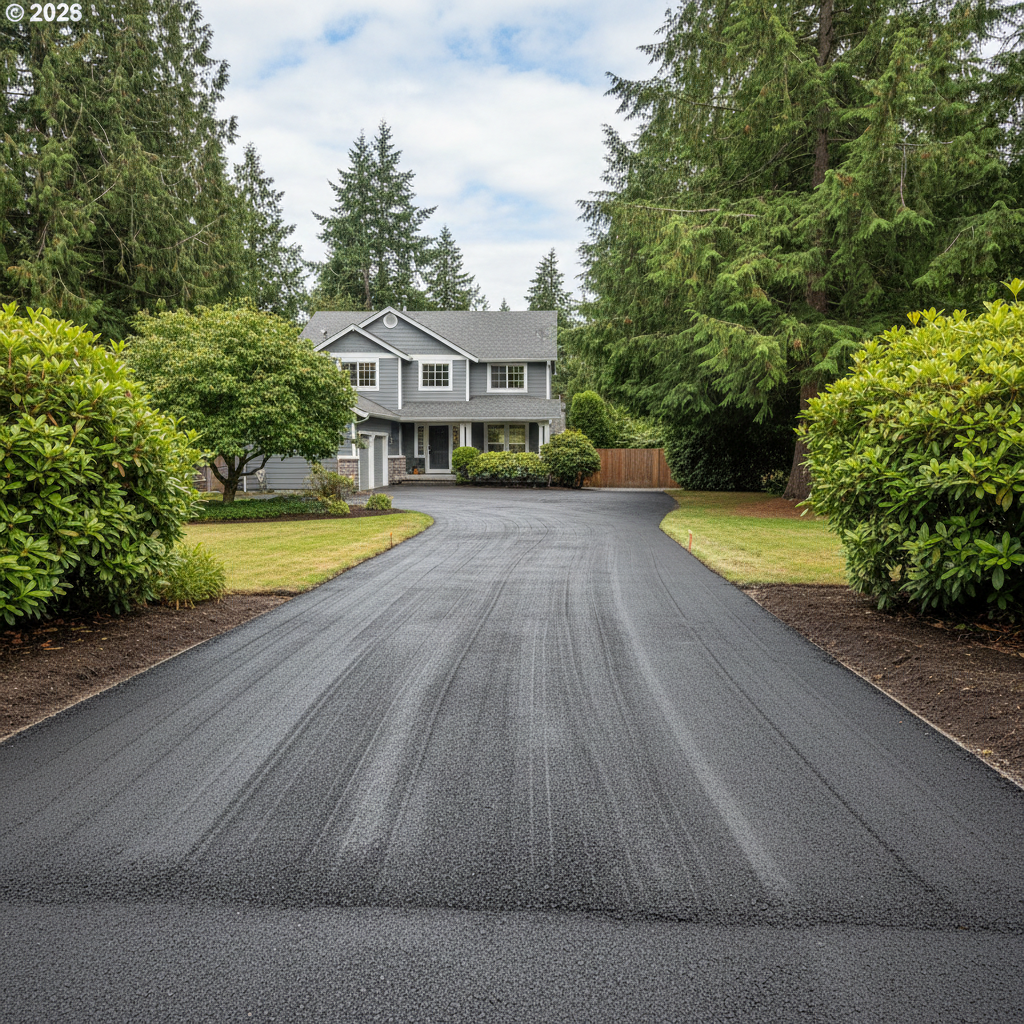
So, you've got asphalt milling down. Maybe it's a new driveway, a refreshed parking lot, or a pathway around your Federal Way property. Good choice, milling is a smart, cost-effective way to get a solid, durable surface. But here's the thing: just like anything else, it needs a little love to last. You can't just lay it down and forget about it, especially with our Pacific Northwest weather.
Extending the Life of Your Milled Asphalt
The biggest enemy of any asphalt surface around here is water. We get plenty of it, and if it's sitting on your surface or seeping underneath, it's going to cause problems. Proper drainage is key. When we do a milling job at Ace Paving, we always make sure the grading is right so water flows off. But over time, things settle, or debris builds up. Keep an eye on any low spots where puddles form after a good rain. If you see standing water for more than an hour or two, that's a red flag.
Another big one is keeping it clean. Leaves, dirt, moss – all that stuff holds moisture against the surface. A good sweep or even a leaf blower once in a while goes a long way. Think about it: if you've got a shady spot, maybe under some big fir trees common in neighborhoods like Twin Lakes or Steel Lake, moss is going to try and move in. Don't let it. A stiff broom can usually handle it, or a gentle pressure wash if it's really stubborn. Just don't blast it too hard, you don't want to erode the surface.
Finally, consider a sealcoat. Not right away, give the milling a good 6-12 months to cure and settle. But a quality sealcoat every few years can really protect it from UV rays, water penetration, and even minor spills. It's like sunscreen for your asphalt, and it makes it look sharp too.
Regular Maintenance: What You Should Be Doing
You don't need to be out there every day, but a quick check-up a few times a year can save you a lot of headache and money down the road. Here's what I recommend:
- Spring Cleaning: After winter, clear off all the debris, check for any new cracks or potholes that might have formed from freeze-thaw cycles.
- Summer Scan: Look for oil stains. If you have a leaky car, put down a drip pan. Oil and gas will break down the asphalt binder over time. Clean up spills quickly with an absorbent material and a stiff brush, then rinse.
- Fall Prep: Before the heavy rains start, make sure your drainage is clear. Clean out any gutters or catch basins that might direct water onto your milled surface. Make sure no leaves are piling up in low spots.
It's all about being proactive. A little effort now prevents big repairs later.
Warning Signs: When to Pay Closer Attention
Your milled asphalt will usually give you some hints before things get really bad. Don't ignore these:
- Cracks: Small hairline cracks are normal, especially as the surface ages. But if they start getting wider than a quarter-inch, or you see a network of cracks that look like an alligator's skin (we call that 'alligator cracking'), that's a sign of a deeper structural issue.
- Potholes: These usually start small. A little depression, then water gets in, freezes, expands, and 'pop!' you've got a hole. Don't wait. Fill them as soon as you see them.
- Fading or Discoloration: If your asphalt is looking gray instead of black, it means the binder is oxidizing from sun exposure. This is where sealcoating helps, but if it's already faded, it's losing its flexibility.
- Loose Aggregate: If you're seeing a lot of small stones coming loose from the surface, especially after a car drives over it, the binder might be failing.
- Standing Water: We talked about this. Any persistent puddles are a problem for the long haul.
When to Call a Professional
You can handle a lot of the basic stuff yourself, but there are times when you really need to bring in someone who knows what they're doing. Don't try to tackle major repairs if you're not sure. You could end up making things worse or spending more in the long run.
- Large Potholes or Extensive Cracking: If you've got a pothole that's more than a foot across, or alligator cracking over a large area, that's beyond a DIY patch job. It often means the base underneath is failing, and you need professional assessment and repair.
- Drainage Issues: If you've got significant standing water and you can't figure out why, or if the water is always pooling in the same spot, you might need regrading or a new drainage solution. That's definitely a job for us.
- Subgrade Failure: This is when the ground beneath your asphalt starts to shift or erode. You'll see dips, humps, or major cracking that indicates the foundation isn't stable. This requires heavy equipment and expertise to fix properly.
- When in Doubt: Honestly, if you're looking at your milled surface and you're just not sure what's going on, or if a problem seems to be getting worse despite your efforts, pick up the phone. It's better to get a professional opinion early than to let a small issue turn into a complete resurfacing job.
At Ace Paving, we've seen it all. We're happy to come out, take a look, and give you an honest assessment of what your milled surface needs. Taking care of your asphalt milling isn't just about protecting your investment; it's about keeping your property safe and looking good for years to come.