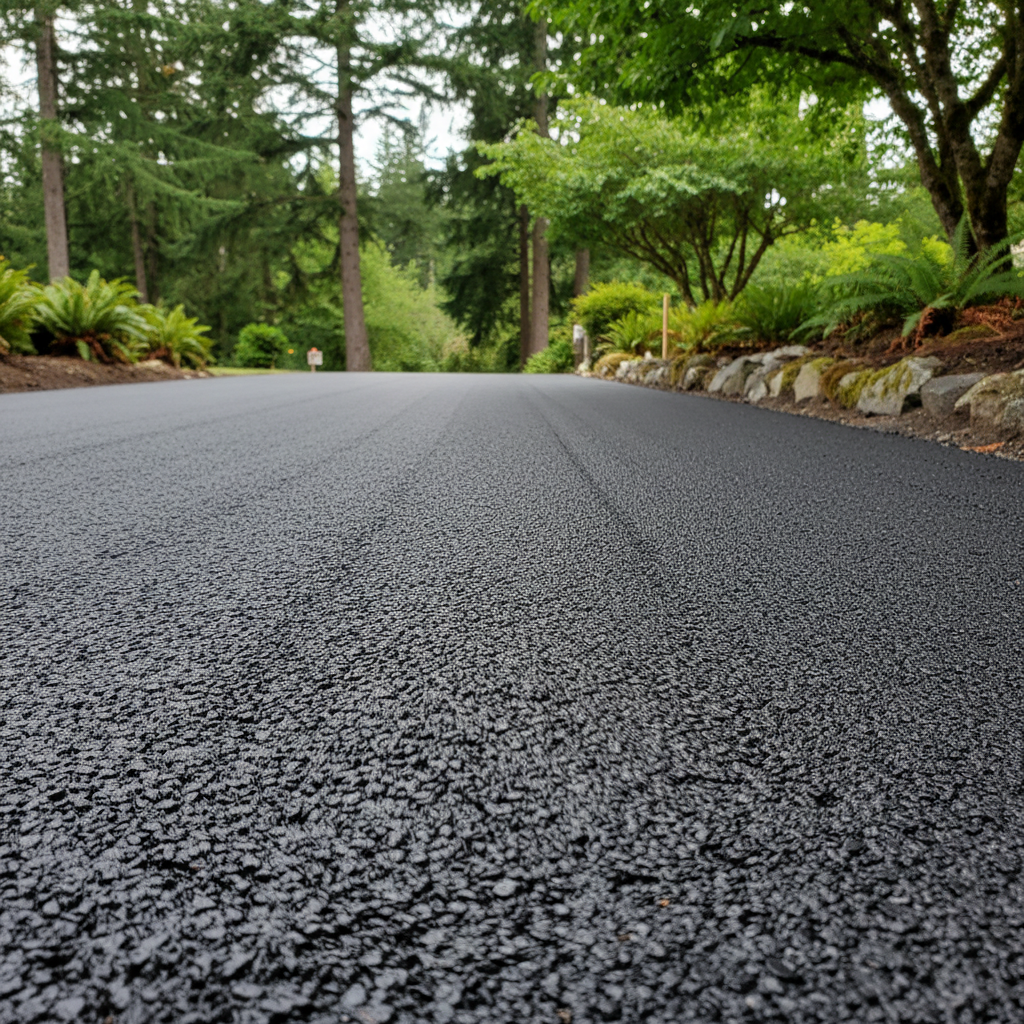
Your asphalt driveway takes a beating around here. Between the heavy Pacific Northwest rains and the constant temperature swings, Asphalt Paving in Federal Way, WA has to endure quite a bit. If you are looking at a crumbling surface or planning a brand-new layout, you are probably wondering how to approach the project without wasting money. Ace Paving can help you break down what you can tackle on your own and when you definitely need to bring in a professional crew for your Asphalt Contractor needs.
Before the Paving Starts: Planning and Prep
Preparation is very important when it comes to Asphalt Paving. Skimp on this phase, and your new surface will fail within a few years. Before any heavy machinery shows up, you have to look at your grading and drainage. Water is the absolute enemy of asphalt, especially in Western Washington where the soil stays saturated through the winter months.
What can you do yourself? You can clear out vegetation, map out utility lines by calling 811, and handle minor debris cleanup around the edges of the workspace. You can also measure the square footage and get a general idea of layout changes for your Asphalt Paving project.
What should you leave to the pros? Excavation, sub-base compaction, and grading require heavy machinery like rollers and graders. If your sub-grade is not compacted correctly to handle local soil conditions, the whole driveway will sink and crack. That is where Ace Paving earns their keep as a trusted Asphalt Contractor in Federal Way.
During the Project: Execution and Timing
Timing is everything in this business. You cannot just lay hot mix asphalt in the middle of a torrential downpour or during a freezing January snap. Ace Paving usually schedules Asphalt Paving projects from late spring through early fall when the ground is dry and temperatures cooperate.
During the actual paving day, the workflow moves fast. Hot mix arrives in dump trucks, gets fed into a paver, and then has to be rolled and compacted immediately while it is still hot. Trying to patch or lay a full driveway with a bag of cold patch from the hardware store is a losing battle. Cold patch is strictly meant for temporary pothole fixes.
If you are wondering what you can do while the crew is there, stay out of the way, keep pets inside, and make sure your vehicles are parked down the street. Let the operators focus on getting that mat smooth and properly sloped away from your foundation.
After the Paving: Curing and Long-Term Care
Once the crew rolls out, your job begins. Fresh asphalt needs time to cure. Even after it looks hard, it stays relatively soft for a few weeks. Avoid sharp turns of your steering wheel while parked, and keep heavy delivery trucks off it for at least a week.
Maintenance is where you save money over the life of your pavement. You can easily handle small DIY tasks like pulling weeds that try to sprout near the edges and keeping the surface clean of debris. However, when it comes to minor cracks that open up after a couple of winters, you want to seal them with rubberized crack filler before water gets underneath.
Plan on scheduling a professional sealcoat every few years to lock out moisture and protect the binder from UV rays and oil spills. A little routine care goes a long way toward keeping your Federal Way property looking sharp and structurally sound for 15 to 20 years or more.